Hi Vis Clothing Explained: A Beginner’s Guide UK
Ordering workwear for the first time can feel like a lot. Suddenly there are classes, colours, fabrics, and a whole alphabet of standards to get your head around – and it feels like everyone else already knows the answers. This guide cuts through the jargon. It is a plain-English hi vis clothing guide for UK businesses, covering what hi vis actually is, how the different classes and colours work, and how to kit out your team without overspending.
What is hi vis clothing, and why does visibility matter?
Hi vis – short for high visibility – is clothing designed to make the person wearing it stand out against their surroundings. It works by combining fluorescent fabric with reflective tape. The fluorescent colour makes you conspicuous in daylight, while the reflective strips bounce light back at drivers and machine operators when conditions turn dark, grey, or wet.
You will see it everywhere: roadworks, warehouses, construction sites, yards, delivery depots, and rail. Anywhere people work near moving vehicles or machinery, or in low light, high-visibility clothing is doing one simple job – making sure workers are seen before it is too late. That is why it is not just a nice-to-have. In many UK workplaces it is a legal requirement under health and safety rules, and it is the employer’s job to provide it.
Understanding hi vis classes, colours, and typical uses
What the classes actually mean
The biggest source of confusion for first-time buyers is the word class. In the UK, high-visibility clothing is graded under the EN ISO 20471 standard, and the classes run from 1 to 3. The class tells you how much of the garment is made from fluorescent and reflective material – in other words, how much visible surface you are getting.
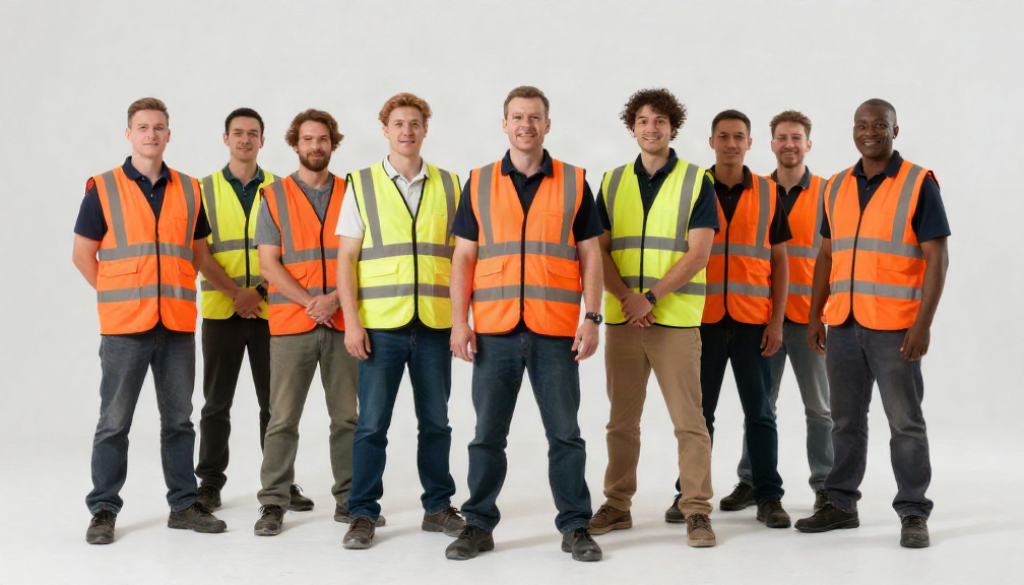
As a rough rule: Class 1 covers the minimum, like a hi vis waistcoat or a simple vest. Class 2 adds more coverage, which is where most hi vis polo shirts, t-shirts, and bodywarmers sit. Class 3 is the highest level, covering the whole upper body including sleeves – think hi vis jackets, fleeces, and coveralls. The higher the class, the more visible the wearer is in poor conditions.
Here is the practical bit. You do not always need the highest class. What you need is the right class for the risk. A quiet warehouse floor is a different environment to a live motorway. If you are unsure, check your risk assessment or ask your supplier – a decent one will talk you through it rather than just selling you the most expensive option.
Orange or yellow? Both are valid
The other common question is colour. Both fluorescent yellow and fluorescent orange are used across UK sites, and neither is more correct than the other. The choice usually comes down to the environment. Yellow tends to be the go-to for general construction and roadworks because it stands out against grey tarmac and machinery. Orange is often used where yellow could be confused with other site colours, or outdoors where the background is green, because yellow blends more against foliage.
A good shortcut: match the colour the site or principal contractor already uses, so your team fits the agreed scheme rather than standing out for the wrong reason.
Choosing hi vis garments for your team without overspending
Once you know the class and colour, the rest is about matching garments to real working conditions. A few sensible calls keep the budget in check.
Match the garment to the job
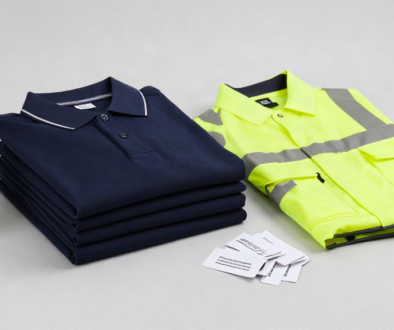
For warm indoor work, a hi vis t-shirt or polo keeps things light. For cold yards and early starts, a hi vis sweatshirt, fleece, or bodywarmer does the same visibility job with warmth built in. If you need full coverage or weather protection, a hi vis jacket, coat, or coverall reaches the higher classes. Buying a mix rather than one garment for everyone is usually cheaper overall, because nobody ends up layering an expensive jacket over a cheap vest just to stay warm.
Look past the headline price
The price on the tag is rarely the whole story. Watch out for minimum order quantities – many suppliers will not embroider or print your logo unless you buy in bulk, which is painful if you only need eight polos for a small team. Setup fees for logos add up too, and slow turnaround times can leave new starters without branded kit for weeks. When you compare quotes, compare the all-in figure: garment, decoration, delivery, and how long you actually have to wait.
Personal service beats a faceless catalogue
For SMEs especially, the supplier matters as much as the product. Someone who answers the phone, understands your job, and helps you pick the right class and colour will save you money and hassle. That is the difference between being sold to and being looked after.
A quick checklist before you order
Ask yourself: what is the risk, and what class does it need? Does the colour match the site or contract? Have I covered both warm and cold conditions? What is the true cost once logo setup, decoration, and delivery are added? And can my supplier turn the order around in time? Answer those five questions and you have avoided most of the mistakes first-time buyers make.
Where Salutem Workwear fits in
Salutem Workwear supplies branded workwear, hi vis clothing, and PPE to small and medium-sized businesses across the UK – with no minimum order and no setup fees. That means you can order exactly what your team needs, whether that is five hi vis polos or five hundred, with embroidery and printing included, without paying for stock you will never use.
We are a friendly, straight-talking bunch who would rather help you choose the right kit than upsell you the wrong one. From hi vis vests and polos to fleeces, jackets, coats, and coveralls, the range is broad enough to cover a whole site – and small enough in spirit that you will always get a real person on the other end.
The bottom line
Hi vis clothing does not have to be complicated. Learn the classes, pick the right colour for your environment, match garments to the job, and buy from someone who takes the time to get it right. Do that, and you will keep your team visible, safe, and comfortable – without blowing the budget.