Chefwear Essentials: A Complete Kitchen Checklist
Writing the specials is the easy part. Keeping a busy kitchen looking sharp, safe, and comfortable is the bit that never makes it onto the prep list. This chefwear essentials checklist walks through exactly what a kitchen team needs, from the jacket down to the non-slip soles, so you can order once, order right, and get back to service.
Whether you run a small independent restaurant, a café, a bakery, or a catering outfit, the same rules apply: comfortable kit keeps people moving, clean kit keeps standards high, and consistent kit makes a small team look like a proper operation.
Why a chefwear checklist is worth ten minutes
Chefwear is not a uniform you buy once and forget. It gets splashed, steamed, washed, and worn hard, and it wears out in different ways on different people. Writing down what each role actually needs means fewer mid-service panics, fewer awkward conversations about who is wearing what, and a team that looks consistent from the pass to the front door.
It also makes ordering far simpler. Once you know your list, you can buy a starter set for a new hire, top up the aprons that always go missing, and outfit a whole kitchen expansion without guessing sizes and quantities twice.
1. Chef jackets and tops
The jacket is the anchor of the whole look, so it pays to get this one right first.
-
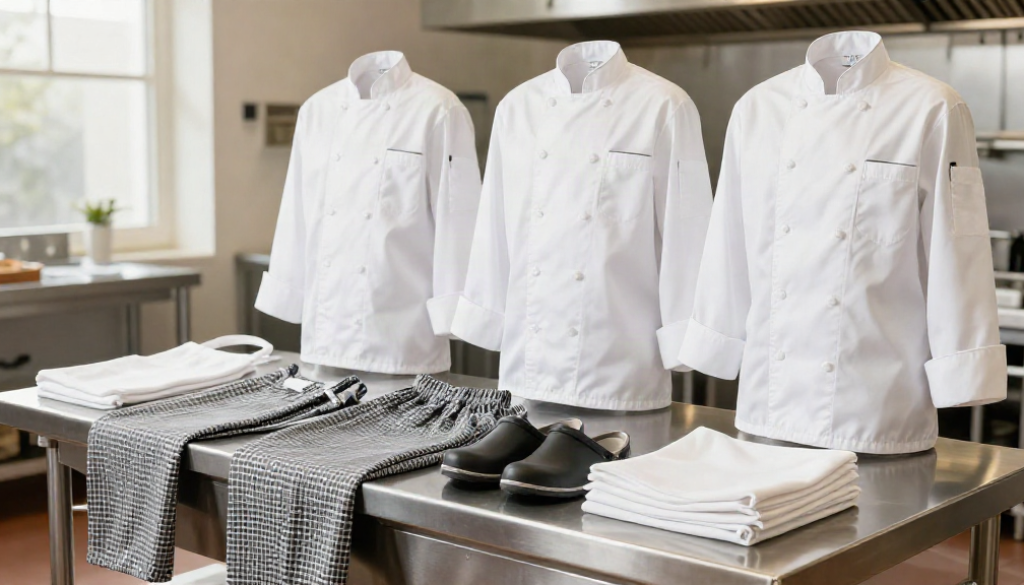
Double-breasted jackets: the classic option for a reason. The crossover front gives an extra layer of protection and reverses to hide spills mid-service, which is worth its weight in gold on a Friday night.
-
Single-breasted jackets: lighter and cooler, ideal for front-of-house kitchens, bakeries, and hot summer services.
-
Short-sleeve and lightweight tops: for pastry sections, prep kitchens, and anywhere the heat is relentless.
-
Colour options: white reads traditional and clean, while black and charcoal are forgiving and hide everyday stains. Many teams run a mix by seniority or by section.
2. Chef trousers
Trousers get the least attention and cause the most grief. Look for a cut that lets people squat, bend, and climb without splitting a seam.
-
Checked or plain chef trousers: the classic black-and-white check hides spills and flour, while plain styles suit a more modern look.
-
Elasticated or drawcord waists: kinder on long shifts and easier to size across a team.
-
Fabric weight: heavier cotton blends last longer in hot kitchens; lighter blends are cooler but wear faster.
-
Pockets and tool loops: not glamorous, but a thermometer or cloth within reach saves a walk across the kitchen.
3. Footwear you can stand in all day
A chef is on their feet for a full shift, often on wet, greasy floors. This is the one area where cutting corners always comes back to bite.
-
Non-slip soles are non-negotiable, especially on tiled or stainless-steel floors.
-
Closed, wipeable uppers keep spills and splashes off the skin.
-
Cushioned, supportive insoles make a genuine difference across a twelve-hour day.
-
Replace worn treads before they become a slip risk, not after.
4. Aprons
Aprons are the workhorse of chefwear, and you will always need more than you think.
-
Bib aprons for full coverage where splashes, flour, and oil are routine.
-
Waist aprons for front-of-house and service staff who need speed and easy access.
-
Consider a mix of fabric weights: heavier cotton for the hot line, lighter styles for front of house.
-
Buy a couple of spares per person. Aprons wear out faster than anything else in the kit.
5. Hats and headwear
Headwear is a hygiene requirement in most professional kitchens, and it also helps pull a team look together.
-
Skull caps and beanies for the hot line.
-
Chef hats and toques for a more formal, traditional front.
-
Hairnets and covers where local food-safety rules require them.
-
Baseball caps work well for front-of-house and casual kitchen teams.
6. The extras that finish the job
Small pieces make a big difference to comfort and consistency.
-
Neckerchiefs and tabards for a sharp, professional finish.
-
Base layers for cold rooms and early starts.
-
Arm covers where oven work calls for them.
-
Name badges or role identifiers for larger teams and open kitchens.
How many sets does each person need?
As a simple rule, plan for three sets per person: one to wear, one in the wash, and one spare drying. That rotation keeps standards high and stops anyone running a greasy jacket through a second service.
For new starters, a starter pack of jacket, trousers, apron, and cap covers the essentials on day one. For seasonal peaks, order a couple of spare aprons and trousers in the most common sizes, so a last-minute hire is not left borrowing kit from a colleague.
Branding chefwear for a cohesive, professional team
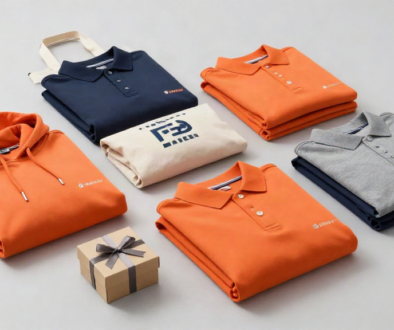
A little branding turns a random collection of garments into a team. Embroidered logos on jackets and aprons look sharp and wash well, while printed branding suits polo shirts, t-shirts, and hats for front-of-house and casual kitchen staff.
Think about placement, too. A chest logo on a jacket, a small logo on an apron, and a name or role on the other side keeps things tidy without shouting. Outfitting everyone in the same colours, or a consistent palette, does more for a professional impression than almost anything else on this list.
Ordering chefwear without the usual headaches
The frustrating part of buying chefwear is rarely the garments themselves. It is the minimum order quantities, the setup fees for a single logo, and suppliers who go quiet when you ask a straightforward question. None of that helps a small kitchen with a staff of five.
A sensible approach is to buy from a supplier who will sell you what you actually need, when you need it, with no minimum order and no setup fees, and who will brand a single jacket as happily as fifty. That flexibility matters most for independent restaurants and small catering teams, where staff turnover is steady and orders are rarely huge.
Your chefwear essentials checklist at a glance
-
Chef jacket or top for every team member, with a spare in rotation
-
Chef trousers that move and last, in the right fabric weight
-
Non-slip, supportive footwear with good tread
-
Bib or waist aprons, plus spares
-
Hats, caps, or headwear for hygiene and consistency
-
Neckerchiefs, base layers, and arm covers as needed
-
Embroidered or printed branding for a cohesive look
-
Roughly three sets per person, so washing never becomes a crisis
Final thoughts
Good chefwear is quiet kit. It does its job, keeps people safe and comfortable, and looks the part without anyone having to think about it. Work through this checklist once, get the quantities right, and you can spend your energy where it matters: the food, the service, and the people around you.