PPE Workwear for SMEs: A Beginner’s Guide
If you run a small or medium-sized business, you have probably had that moment: someone on the team needs proper protective kit, and you are not quite sure where to start. Is a hi-vis vest PPE or just a uniform? Do you have to pay for it? Can you even order it in sensible, small quantities without being stung by setup fees?
PPE workwear for SMEs does not have to be complicated. This beginner’s guide walks you through what actually counts as PPE, when it is needed, how to match it to the real risks in your workplace, and how to order it in the quantities a small business actually uses – branding included.
What actually counts as PPE?
In the UK, personal protective equipment (PPE) means anything worn or held by someone to protect them from risks to their health and safety at work. It is the last line of defence, used after you have done what you can to remove or control the hazard in the first place.
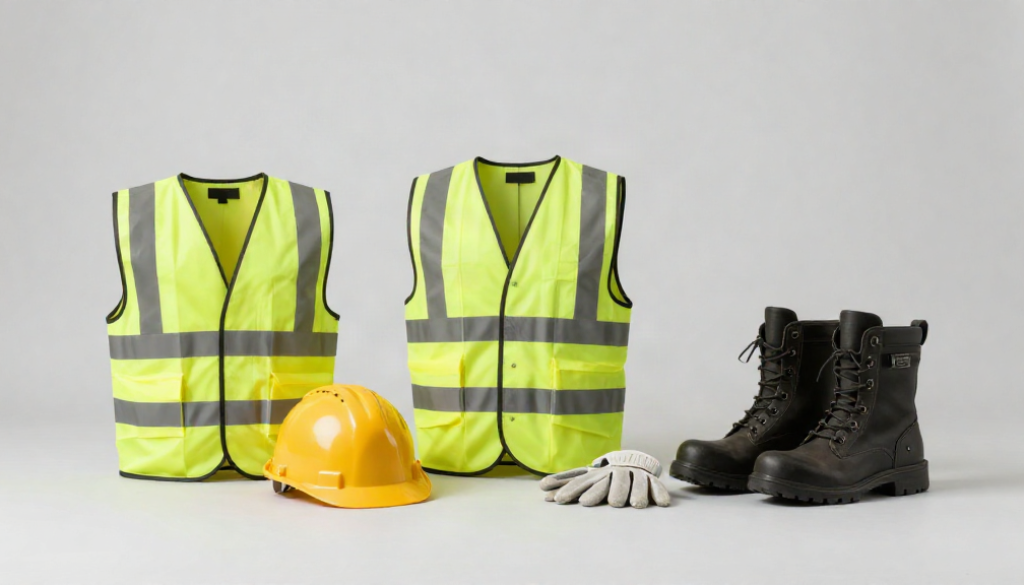
Typical examples include hi-vis waistcoats, jackets and trousers, safety helmets and bump caps, safety footwear, gloves, goggles and face shields, hearing protection, and protective clothing such as coveralls and aprons.
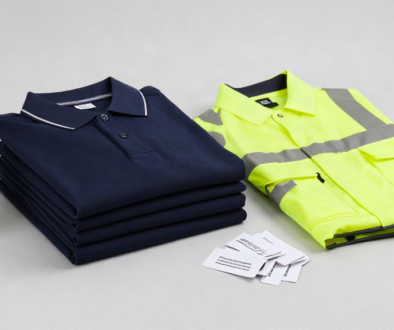
Here is the bit that trips people up: not everything that looks like workwear is PPE. A branded polo shirt or a fleece is a uniform – it looks smart and builds your brand, but it is not protecting anyone from a hazard. A hi-vis vest worn near moving vehicles, on the other hand, is very much PPE. The rule of thumb is simple: if the garment or item exists to reduce a specific risk, treat it as PPE.
When do you need to provide it?
As an employer, you are responsible for protecting your workers. Under UK health and safety law, you must assess the risks in your business and provide suitable PPE free of charge where those risks cannot be controlled another way. That “free of charge” point matters: you cannot ask staff to buy their own safety boots or hi-vis gear.
You will also usually need to provide information and training so people actually wear it correctly, and keep it in good condition and replaced when it wears out. For a small team, this is mostly common sense – but it does need to be written down and reviewed, not just left to memory.
Matching protection to the risks in your workplace
Rather than buying kit because it looks the part, start with the job. Walk around your site or workplace and ask what could realistically hurt someone. A quick risk assessment is the foundation of getting PPE right, and it is far cheaper than guessing.
Here are some common small-business scenarios and what usually follows:
Building sites and outdoor trades. Falls, moving machinery, dust, and being struck by vehicles are the big ones. That points to hard hats, hi-vis that meets the right standard, safety boots, gloves, and eye protection.
Warehouses and logistics. Reversing vehicles and forklifts mean visibility is everything, so hi-vis goes to the top of the list, alongside safety footwear and gloves for handling stock.
Food, hospitality and catering. Slips, burns and hygiene drive the choice here – think non-slip footwear, aprons, and protective clothing that keeps both the wearer and the food safe.
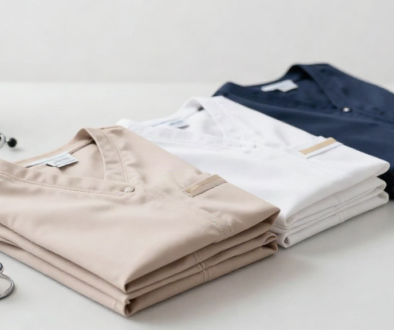
Beauty and healthcare. Hygiene and contamination are the priorities, so uniforms and washable protective clothing often do the heavy lifting, with gloves and aprons where needed.
Cold stores and winter work. Staying warm is not just comfort – cold hands and bodies cause mistakes. Thermal fleeces, bodywarmers and softshells keep people safe and productive.
The principle is the same across all of them: name the risk first, then choose the kit that removes or reduces it. If you are unsure what standard a garment needs to meet, ask your supplier – a good one will tell you straight.
Ordering PPE in small quantities with branding included
This is where a lot of small businesses get stuck. Plenty of suppliers only want to talk in pallets. If you have a team of four, or you just need a few spare vests for visitors, the usual minimum order rules become a real barrier.
Look for a supplier who offers no minimum order and no setup fees. That way you can kit out a new starter or top up a worn-out jacket without committing to a bulk buy you do not need. It also means you can order small quantities right now rather than waiting until you can justify a big run.
Branding is the other half of the equation. For safety-critical items, anything you add must not interfere with the protective function – so you avoid printing over reflective tape on hi-vis. Keep logos on the body panels and you get the best of both worlds: a professional, unified look and full protection.
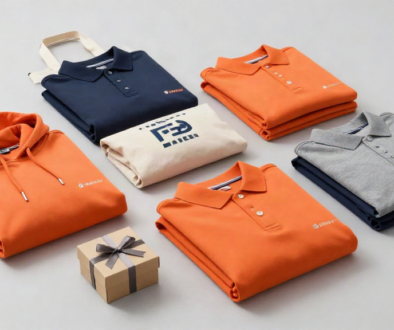
Embroidery and printing both work well on workwear. Embroidery is hard-wearing and looks premium on fleeces, softshells and polos, while printing is great for lighter garments and larger or more colourful designs. A supplier who handles both, in small batches, gives you flexibility without extra cost.
Where Salutem Workwear fits in
At Salutem Workwear, we are set up for exactly this kind of problem. We supply branded work and leisurewear to businesses across the UK, with no minimum order, no setup fees, and embroidery and printing included. Our range covers hi-vis waistcoats, jackets, trousers and bodywarmers, plus coveralls, fleeces, polos, hoodies and protective clothing for beauty, healthcare and catering.
Because we work with small teams, we know that a five-person landscaping firm has different needs to a hundred-person warehouse. You get a straight answer, quick turnaround, and kit that is comfortable enough that people will actually wear it – which, when it comes to PPE, is half the battle.
A simple starting checklist
If you are sorting PPE for your business for the first time, work through it in this order:
-
Assess the risks. Walk the workplace and write down what could realistically cause harm.
-
Decide what PPE is genuinely needed. Match each risk to a specific item, and check the standards it must meet.
-
Set a budget that treats PPE as a cost of doing business. It is free to your staff, not to you.
-
Find a supplier who serves small orders. No minimums, no setup fees, and branding that does not compromise protection.
-
Kit people out properly, then review. Make sure fit, comfort and condition are right – and check in as the seasons and jobs change.
Getting PPE right is not about buying the most kit. It is about buying the right kit, in the right quantities, for the risks your people actually face. Get that bit sorted and the safety side takes care of itself – with a smart, branded team at the end of it.
Not sure what your business needs? Get in touch with Salutem Workwear and we will help you work it out, in plain English, with no minimum order getting in the way.